How one ‘heart-to-heart’ phone call helped a Victorian man with his heart health.
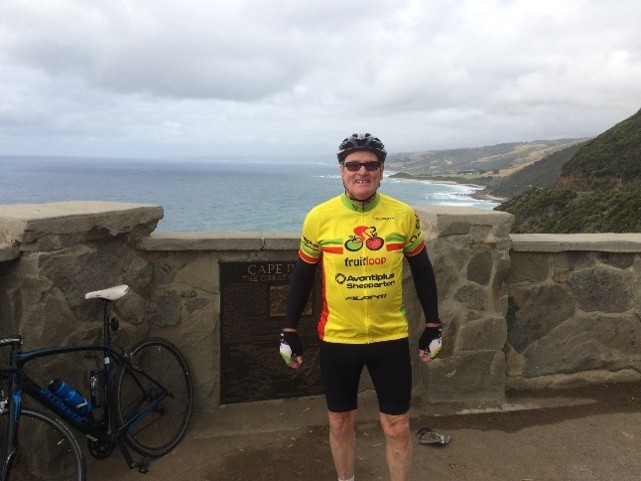
Phil Stevenson knows what it’s like to lead with heart. The former school teacher, who played AFL at a senior level for North Melbourne and Port Melbourne, had been receiving treatment for atrial fibrillation, an irregular heart rhythm, before getting a phone call from his doctor ahead of hip surgery, saying the irregular heartbeat was serious.
This made Phil stop and think. He said, “I had flutters in my chest, but I didn’t think much of it… I didn’t know I was in that state.”
Phil’s doctor then asked him to see Associate Professor Michael Wong at Epworth Hospital in Melbourne.
It was a case of perfect timing for Phil — A/Prof Wong recommended he be implanted with a new type of leadless pacemaker.
“This is what we could call a ‘state-of-the-art’ technology that really is the next generation forward. It is essentially a miniaturised version of the currently available pacemaker technology,” A/Prof Wong said.
A/Prof Wong said leadless pacemakers provide “a number of advantages over traditional pacemakers, which currently consist of a pacemaker generator around the size, or a bit larger, than a 50-cent coin with one or two wires which are inserted into the blood vessel providing circulation into the heart.”
With sports and exercise such a prominent part of Phil’s life – he rides his bike daily – the fact that leadless pacemakers offer quicker recovery times and the ability to continue riding a bicycle just days after the procedure is important to Phil.
“I keep thinking, how lucky am I? I needed it, and I got it,” Phil said. “In a week, I was fully recovered.”
As Australians continue to live longer, A/Prof Wong said this type of thinking will become more and more important.
“Many of my [leadless pacemaker] patients have said they experienced a quicker recovery, minimal pain and faster remobilisation,” A/Prof Wong said. Phil said the procedure has given him confidence to continue enjoying an active lifestyle, including keeping up with his hiking.
A/Prof Wong said leadless pacemakers are “retrievable (by doctors), allowing for replacement once the battery expires, and with the longest battery life we have seen in pacemakers so far, it offers a significant advantage, particularly for older patients as it reduces the need for multiple surgeries.”
“These kinds of medical innovations will continue to help Australians stay active and maintain their quality of life, particularly as they age and manage heart conditions.”